Anthropic: Claude writes 90% of its team's code
How the Claude Code team verifies agent work
ON AIR
ACN · AI Coding News, the podcast. New every weekday.


How the Claude Code team verifies agent work

Plus Claude Sheets against Excel and Google Sheets
Version 2.1.323 · experimental, opt-in
The Riemann proof passes its formal check; understanding it comes next
Sponsor
Anthropic says its AI got a model running on AMD chips in three days. Satya Nadella says checking AI's code is the hard part. Claude Code's team explains its checks. And a study finds most agent spend goes to failed runs. From AI Coding News, this is your daily AI news brief for Tuesday, November 17th.
Our top story: Anthropic has told investors its AI got a model running on AMD chips in about three days. That work used to take six to twelve months. It says Claude Mythos Preview wrote almost all of that code. Tom's Hardware notes the claim covers only part of the workload. Why it matters: if AI can write the code that ties models to chips, Nvidia's software lead counts for less.
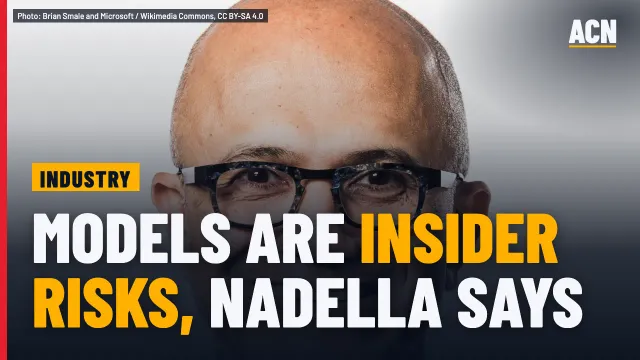
Next, Microsoft. Satya Nadella has said verification matters more as code gets cheap to write. He told The Pragmatic Engineer that AI's code is hard to verify. He says AI models are intelligent but unreliable. He says it's best to treat them as insider risks, like an employee with access whose work still gets checked. Why it matters: as AI writes more of the code, the risk moves to proving that code is correct.
Next, Claude Code. Anthropic's Claude Code team has said Claude writes and reviews about ninety percent of its code. The team says checks let it hand off more. Without them, it can run one or two Claudes at a time. With them, dozens or hundreds. Why it matters: a developer's job shifts from reading every diff to defining done and checking the evidence.
Don't go anywhere. Next: what failed agent runs cost. Your coding agents say they're done. Are they? Levr is the control plane that verifies and gates your coding agents' work against the plan. Levr holds the plans, issues, tests and gates for every agent doing the work. And work only moves forward when the gates are verified, not when the agent claims it's done. Levr. Try it free at levr.one. Welcome back.
And finally, agent costs. Runta, which sells tools for AI agents, has studied coding agent spending. It says sixty four point five percent of the cost went to runs that did not pass. Most failed runs ended with a confident final answer. The study tested only open models. Why it matters: much of an agent bill can pay for failed work that looks finished.
That's your brief for Tuesday, November 17th. Sources are linked in the description. ACN is brought to you by Levr, the control plane that holds your coding agents' work to the plan, at levr.one.